
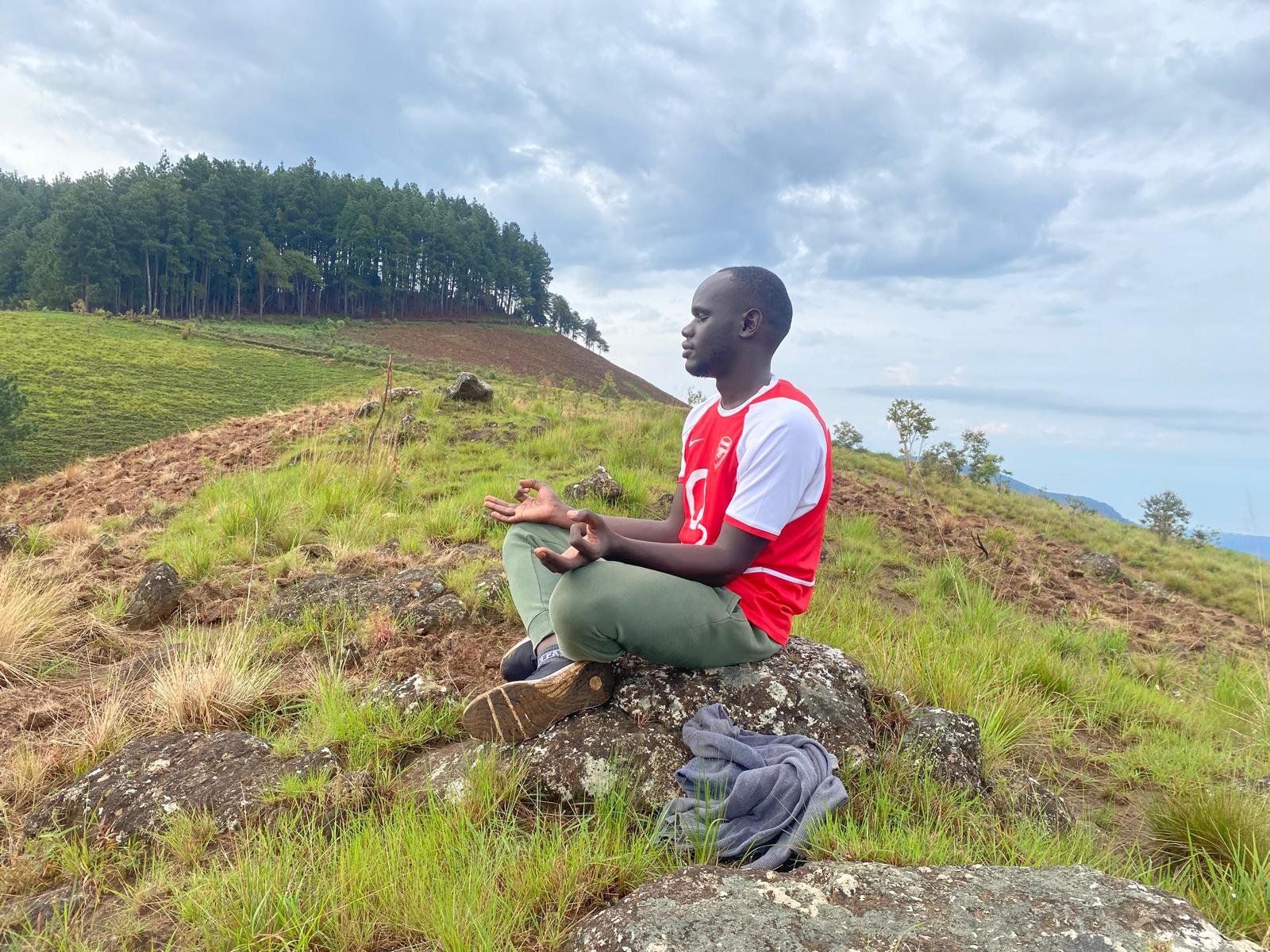
“I don’t believe we will ever make a serious effort to save our home planet from all its threats until us humans adopt a spiritual connection to the natural world.”
(Yvon Chouinard, founder of Patagonia)
“A community’s ability to sustainably grow, distribute, and market its own food is fundamental to its well-being.”
(Partners in Agriculture)

Regenerating soil, sustaining futures.
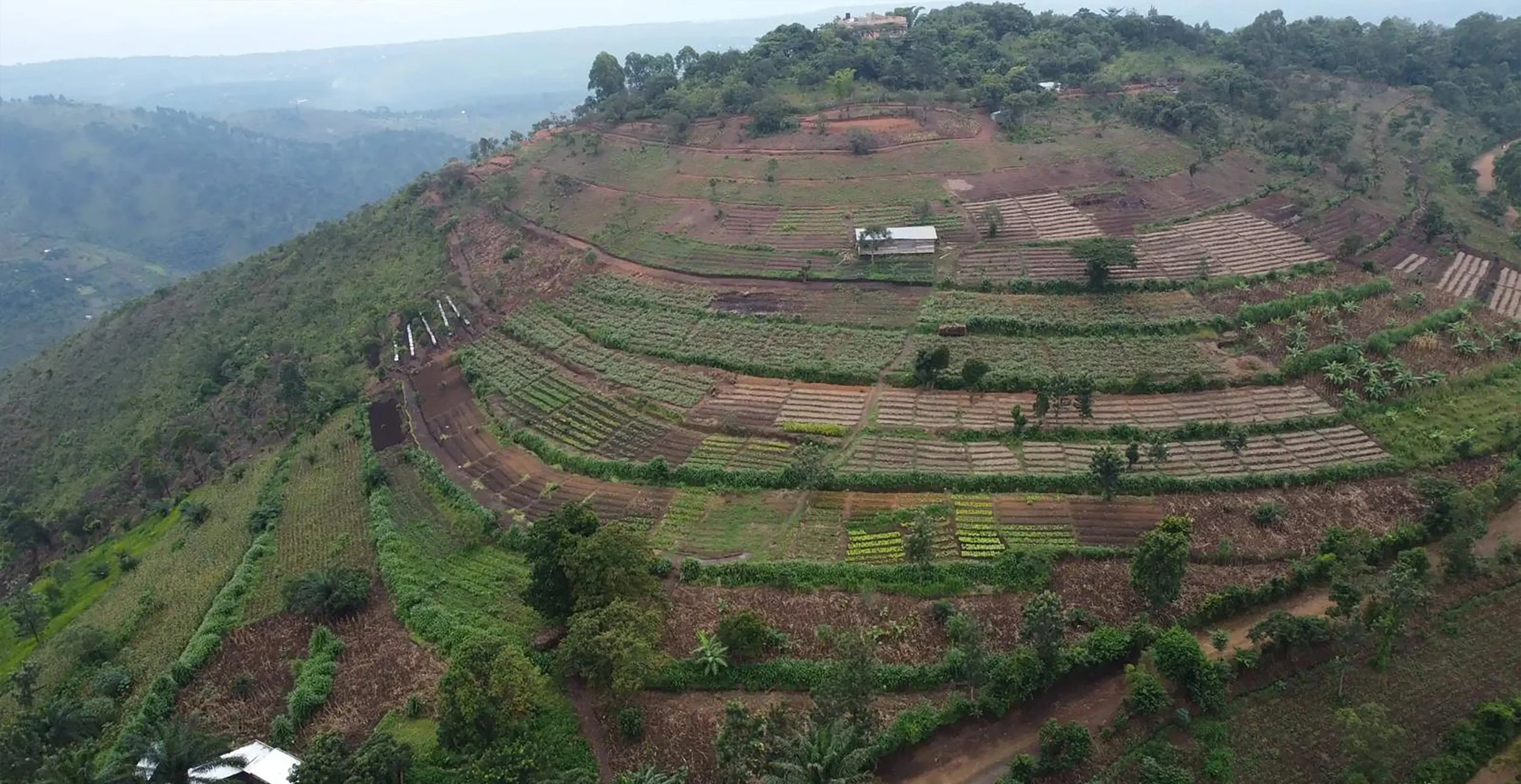
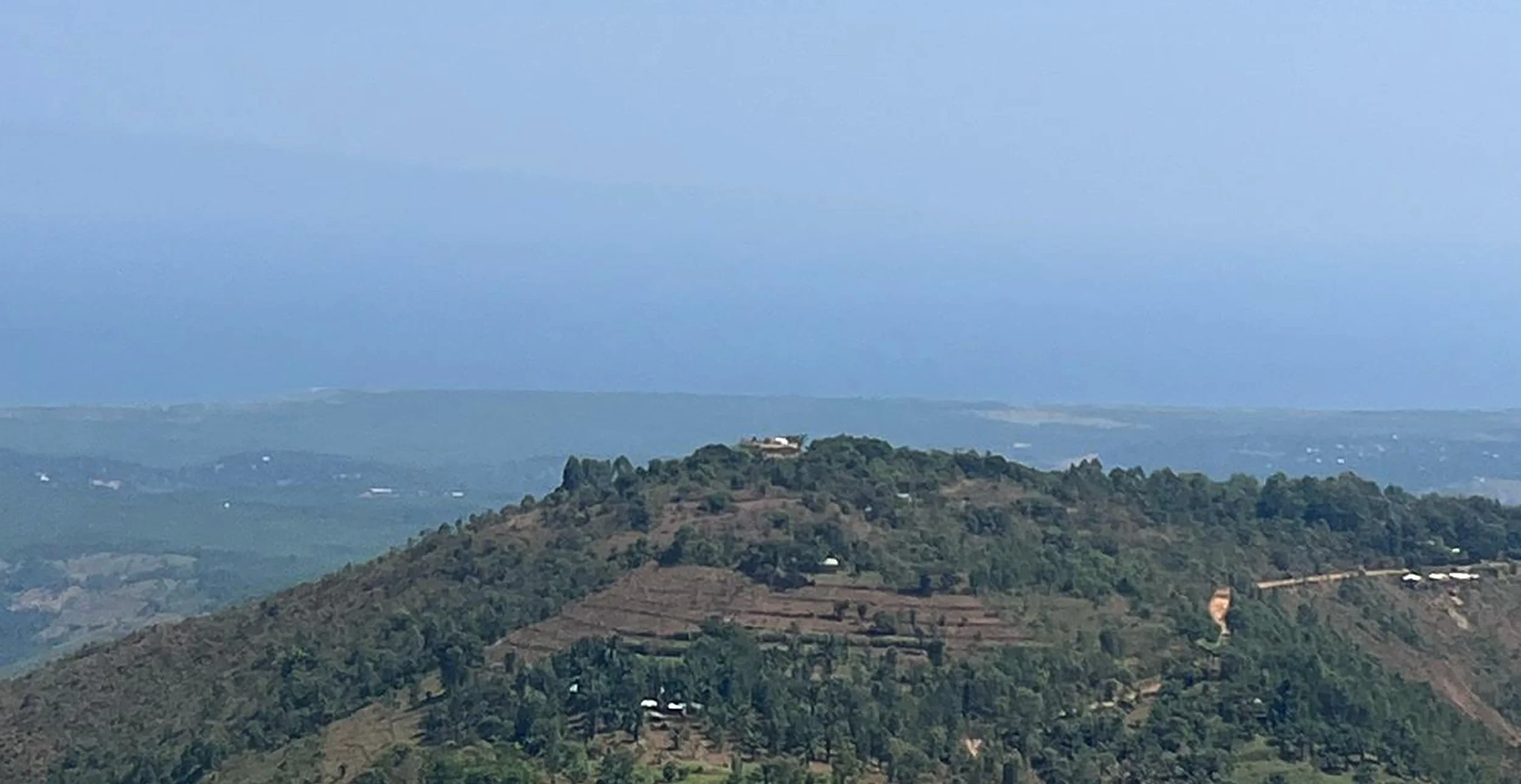
Kigutu Farm, on 75 acres of rolling land overlooking Lake Tanganika, next to the campus of Village Health Works, a community led NGO dedicated to health, education, and community engagement, is a model farm that teaches regenerative agriculture and partners with the community to revitalize cultural and wisdom traditions. The goal is to restore depleted land and spirit.
In Burundi, 70% of people depend on farming for food and livelihood. The country was once known by the name Burundi, Milk and Honey, in recognition of the all-importance of cows and bees. It had a robust culture of music, inventive storytelling, festivals that marked the seasons of life and land, and a unique justice system: Bashingantahe, ordinary people from villages throughout the country, chosen by their communities for their wisdom and trained to mediate disputes and uphold the peace.
The legacy of colonialism with its systematic erasure of native culture, and the violence of the twelve-year civil war, from 1993-2005, followed by political instability and infrastructure insufficiency (less than 10% of the population has electricity), has led to a loss of agricultural knowledge, widespread food insecurity, and drastic diminishment of health and well-being. The need to cut trees for firewood and charcoal production causes erosion, contributing to flooding and landslides, while unsustainable farming practices and burning of the land make the remaining soil less productive. These factors, coupled with climate-change driven unpredictable and extreme weather patterns that produce prolonged droughts, flooding and landslides, have hardened cycles of poverty and led to a decline in physical and mental health.
Kigutu Farm, Phase 1
Began May 2025
(Water harvesting, soil regeneration, crop diversity, natural pest control, organic fertilizer, tree planting, food-forest, planned community celebrations: return of the inyambo cows and festival of the harvest).
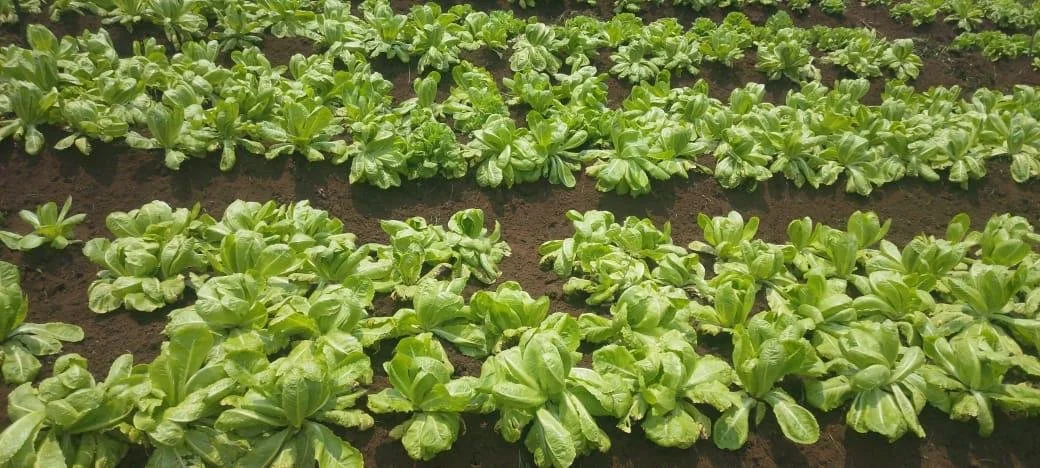
The engineering and planting of a resilience designed farm is well-underway
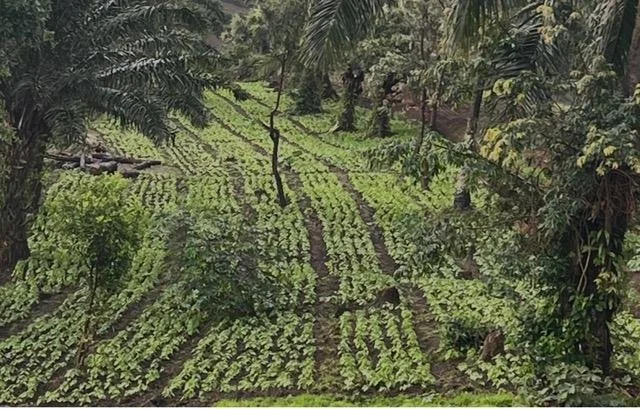
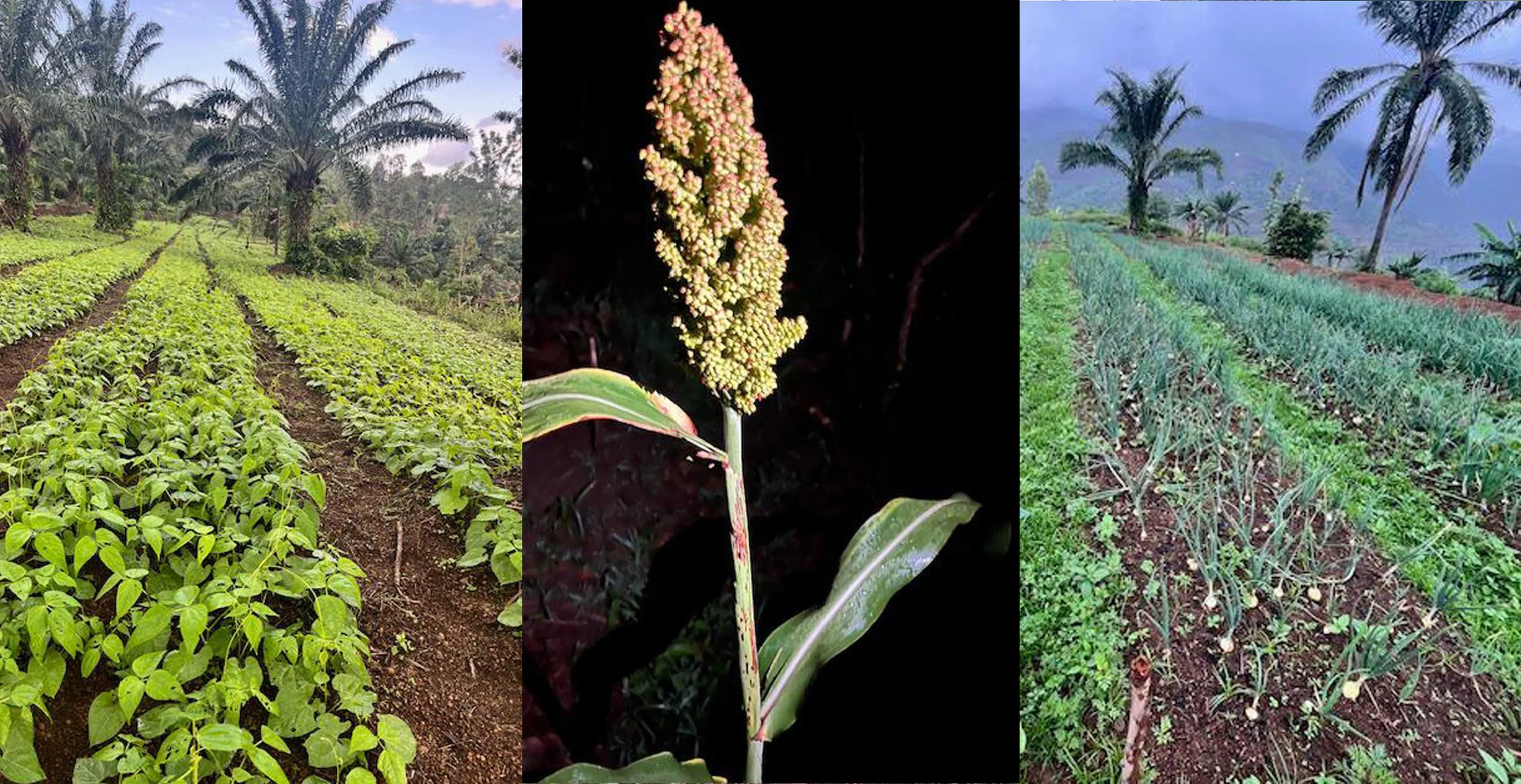
Employing members of the local community, the foundation has been laid for a bio-diverse food forest with nutrient-cycling systems that minimize external inputs, rebuild living soils, and produce harvests in both the rainy and dry seasons. Practical earthworks have been built and water-retention structures to slow runoff, reduce erosion on steep slopes, and keep moisture in the landscape for longer—driving productivity and resilience.
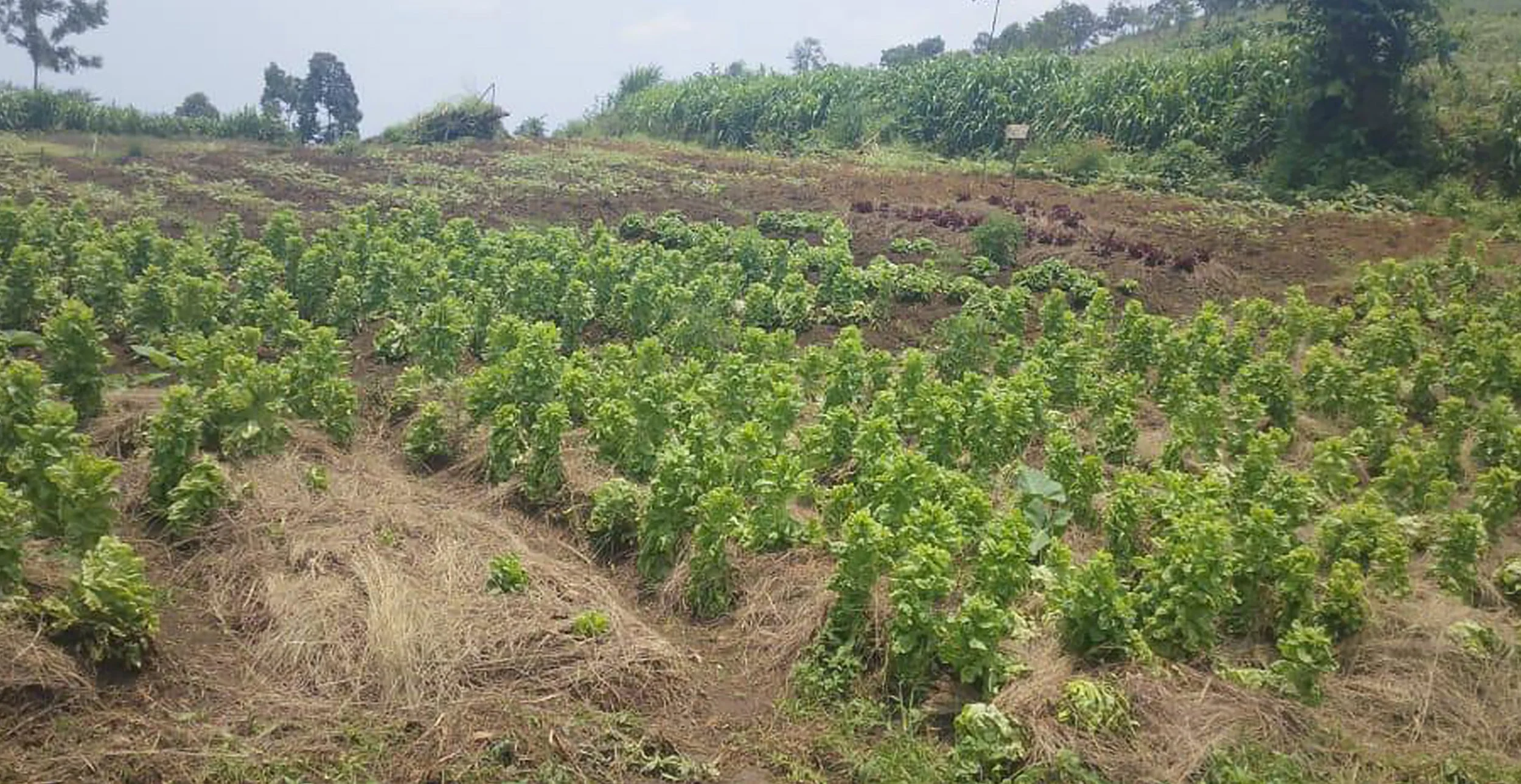
Diversity is central: 22 crop varieties have been planted and soils are being enriched through livestock-waste integration and an apiary of 300 beehives that strengthens pollination and ecosystem health. 8,500 trees have been planted, primarily avocado. Ongoing tree planting, include grevillea and fruit trees is planned to provide food, stabilize hillsides, enhance water retention in the soil, and sequester carbon.
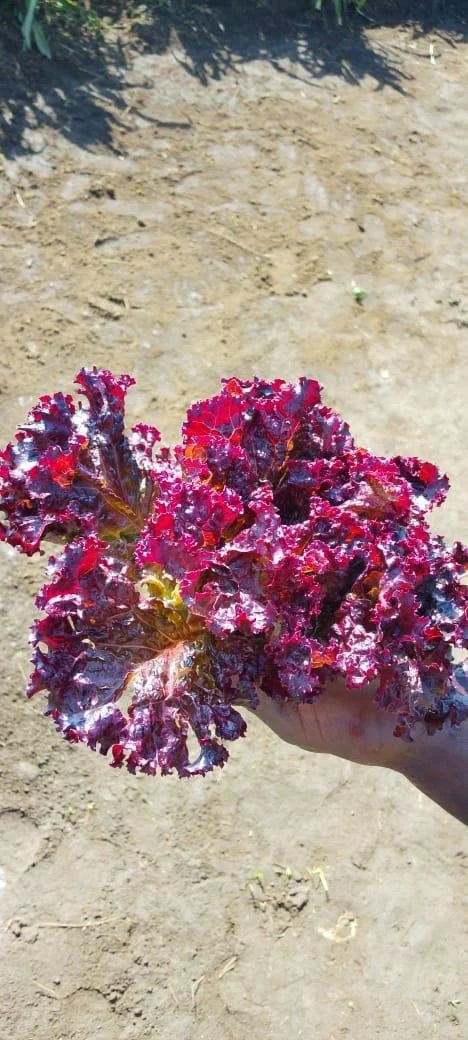
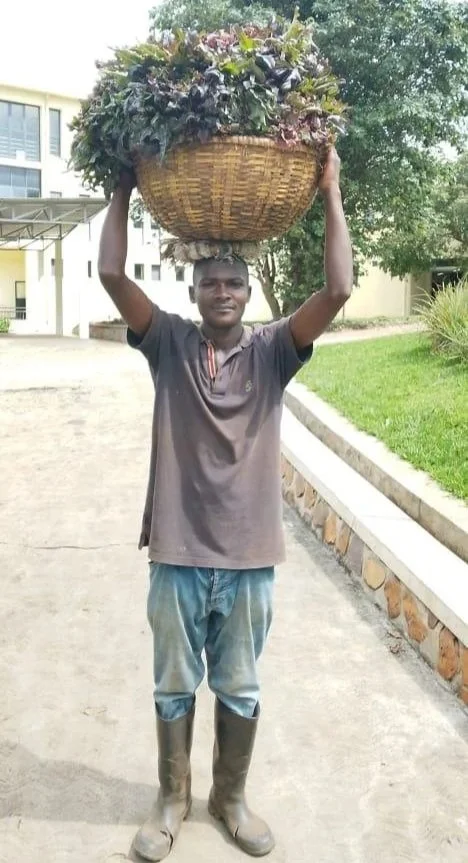
The Farm is already supplying nutritious food to the neighboring community, as well as the hospital and boarding school on the nearby campus of Village Health Works. An international garden has been planted with vegetables and legumes from the home countries of the VHW’s international, on-site staff.
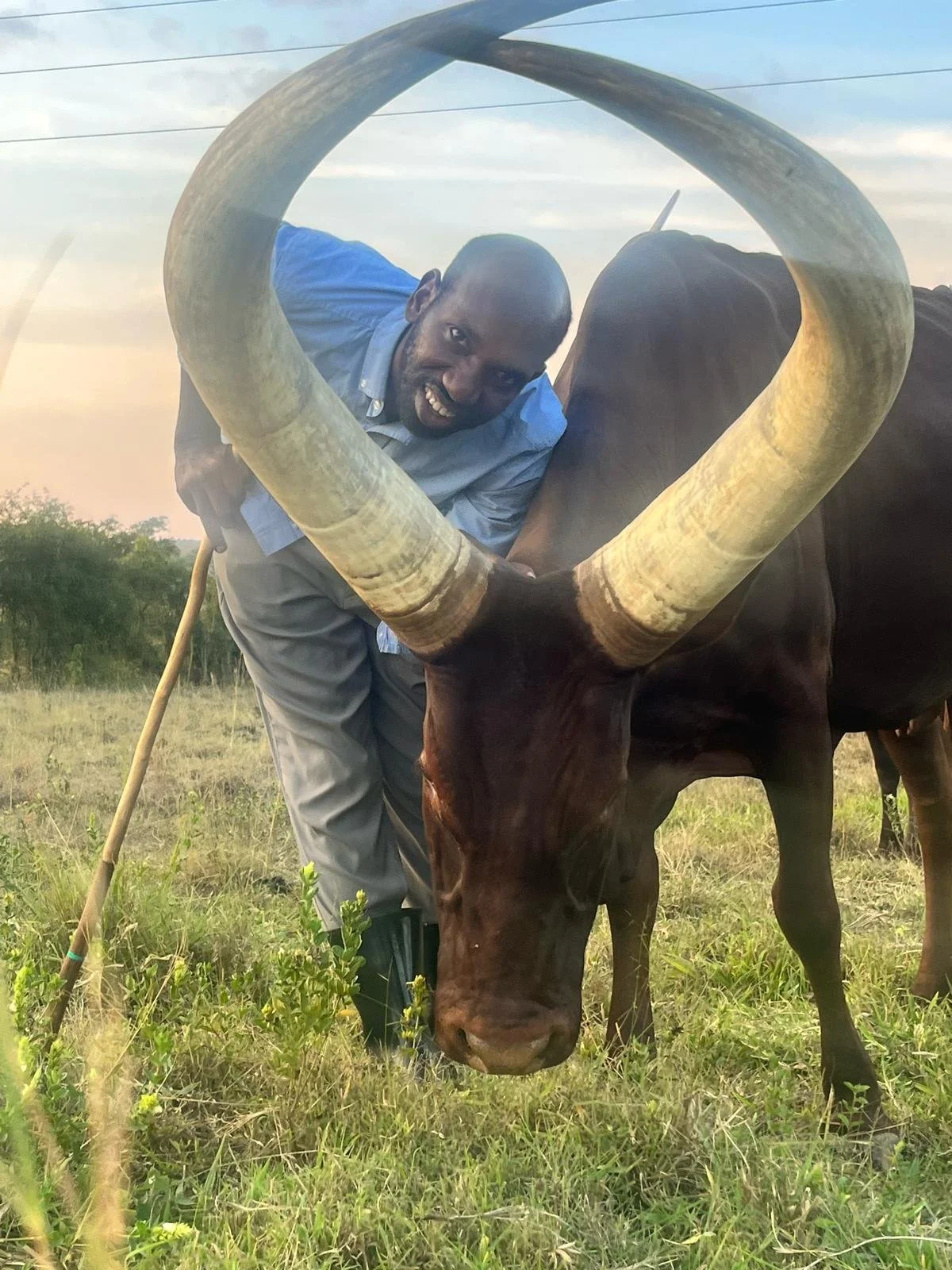
Burundi’s government has granted access to an additional 230 acres of good grazing land nearby. In March, six cows and two bulls for meat, milk, and natural fertilizer, will be transported from Uganda, half of them revered long horned, inyambo cows, gone from Burundi for decades, the other half Holsteins. The Farm will also be adding pigs, chickens, and rabbits.
Kigutu Farm, Phase 2
Based on core regenerative agricultural principles, Kigutu Farm aims to build a research center for the purpose of compiling information on soil and plant health, and a training center to share agronomic knowledge and best practices with farmers throughout the country and beyond. The training center will include a permagarden program for smallholder farmers, and an earthworks engineering program for farmers with larger acreage.
The reforestation program will be expanded to further stabilize soils, prevent erosion, bank rainwater, provide habitat for wildlife, and capture carbon.
You can help support Kigutu Farm by donating today: